

CARMELA SPINAL RECTRACTOR
Providing controlled distraction and microscopic surgical visibility in the operating field
The Carmela Retractor creates an open surgical window designed to provide direct and microscopic visualization of the interlaminar region while minimizing obstruction of the operative field. The Carmela Retractor is a first-of-its-kind, low-profile device engineered by a spine surgeon to provide controlled distraction, direct microscopic visualization, and efficient posterior access for Advanced Ergonomic Access and Retention - Lumbar and Cervical
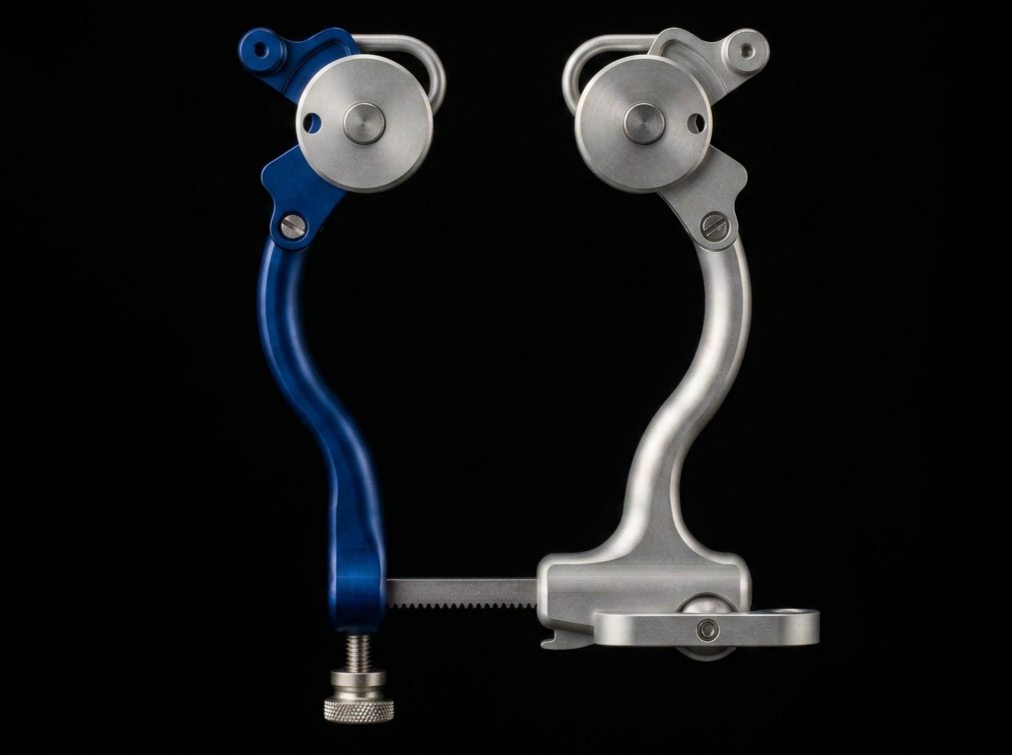
Reinventing Surgical Access
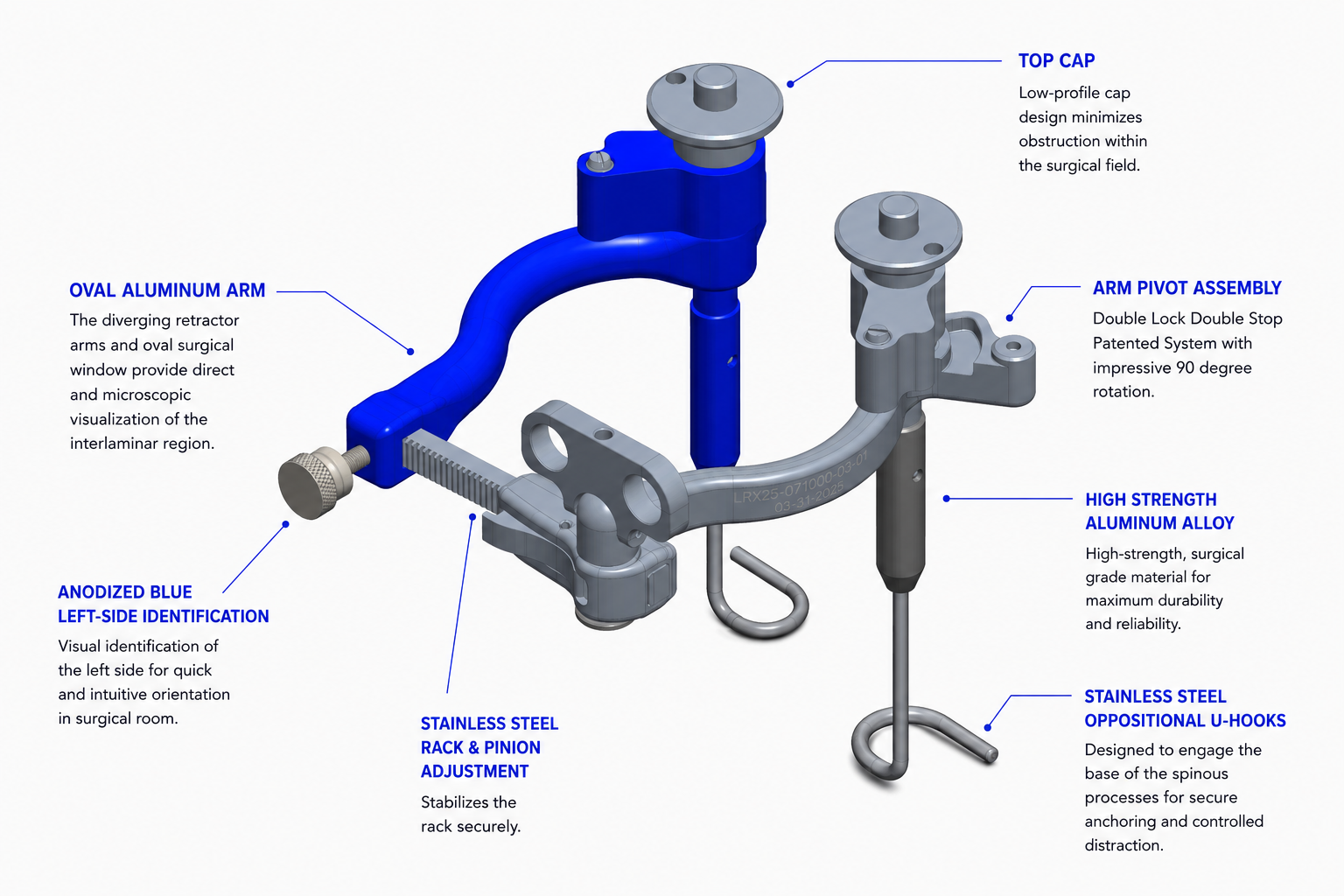
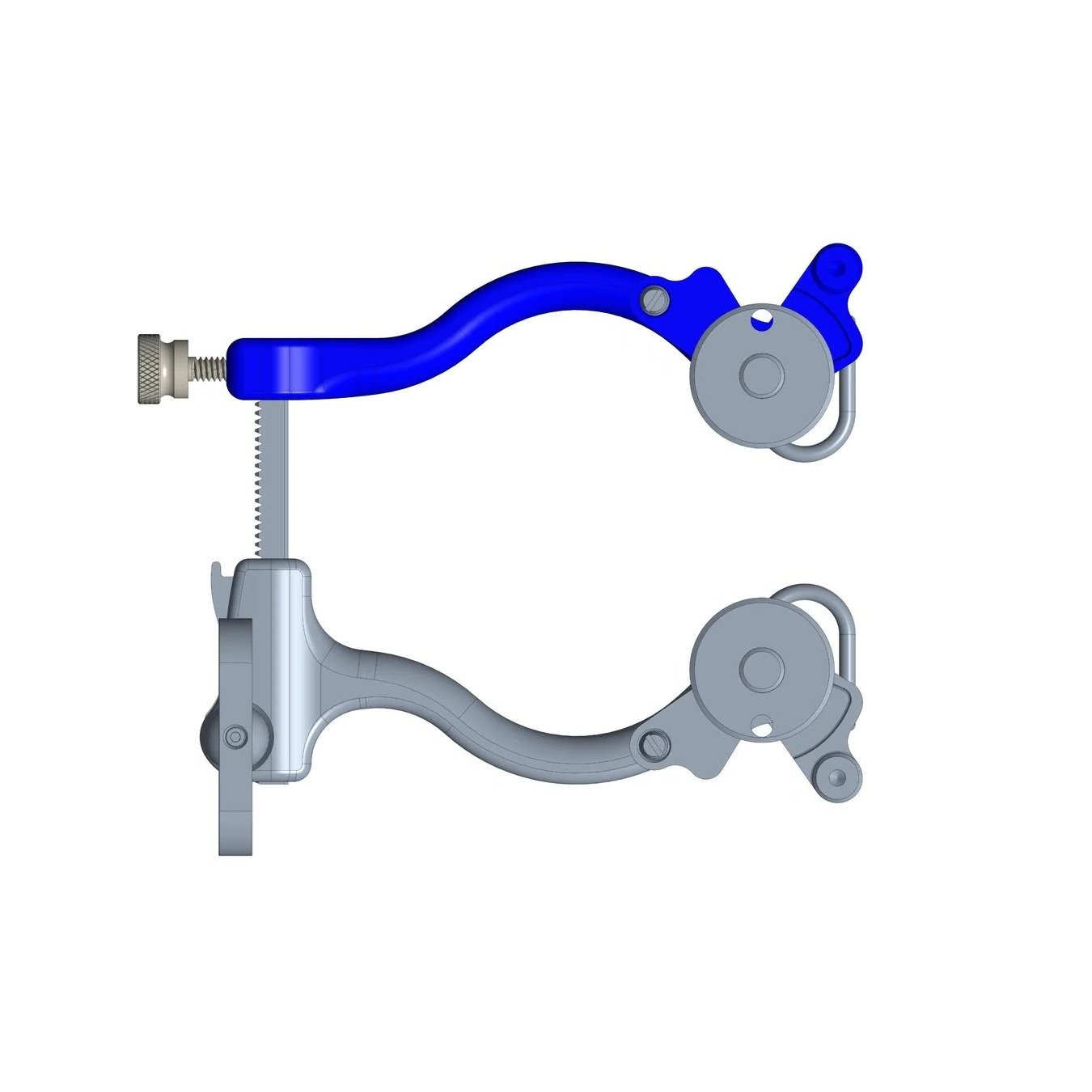
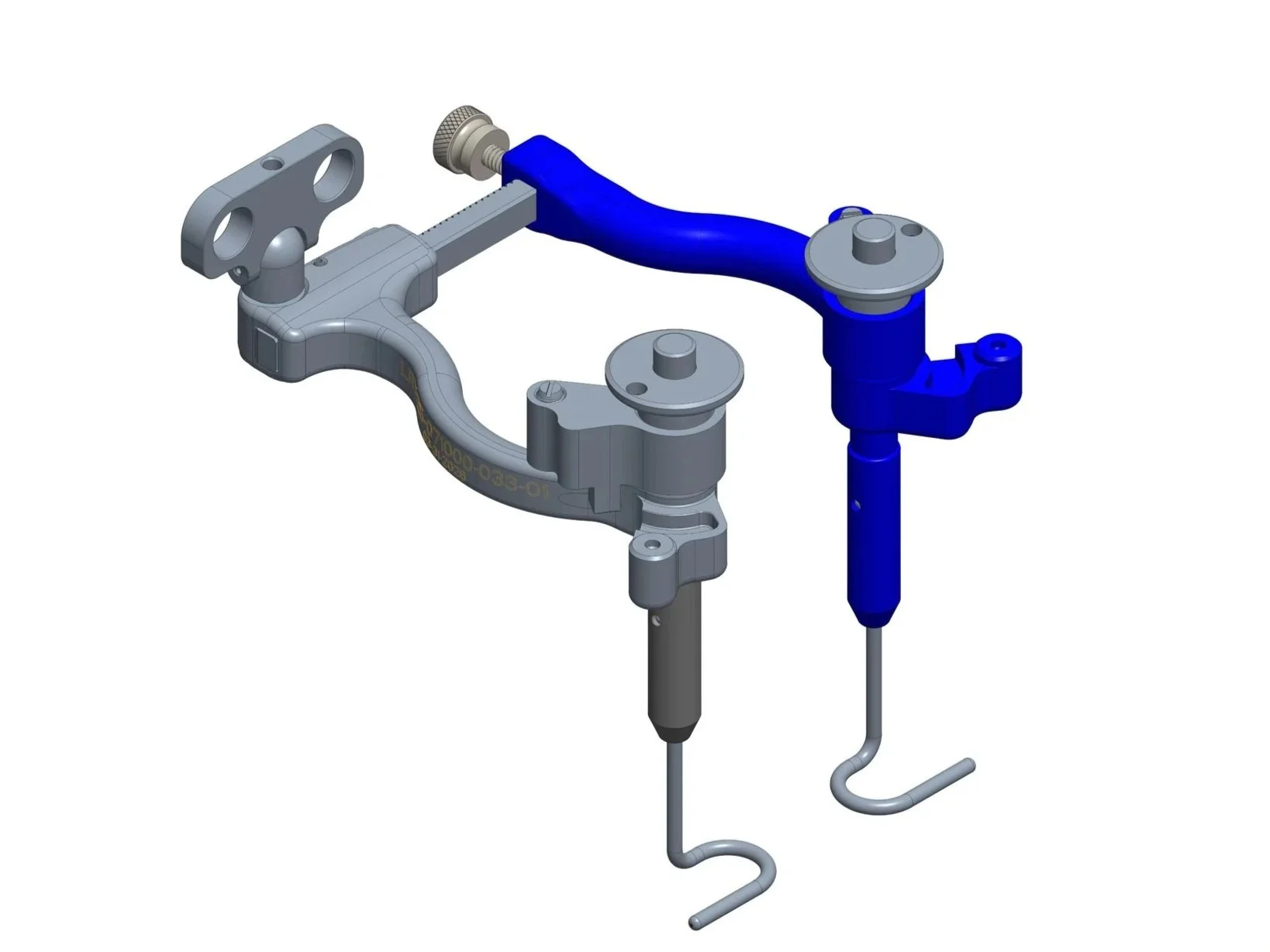
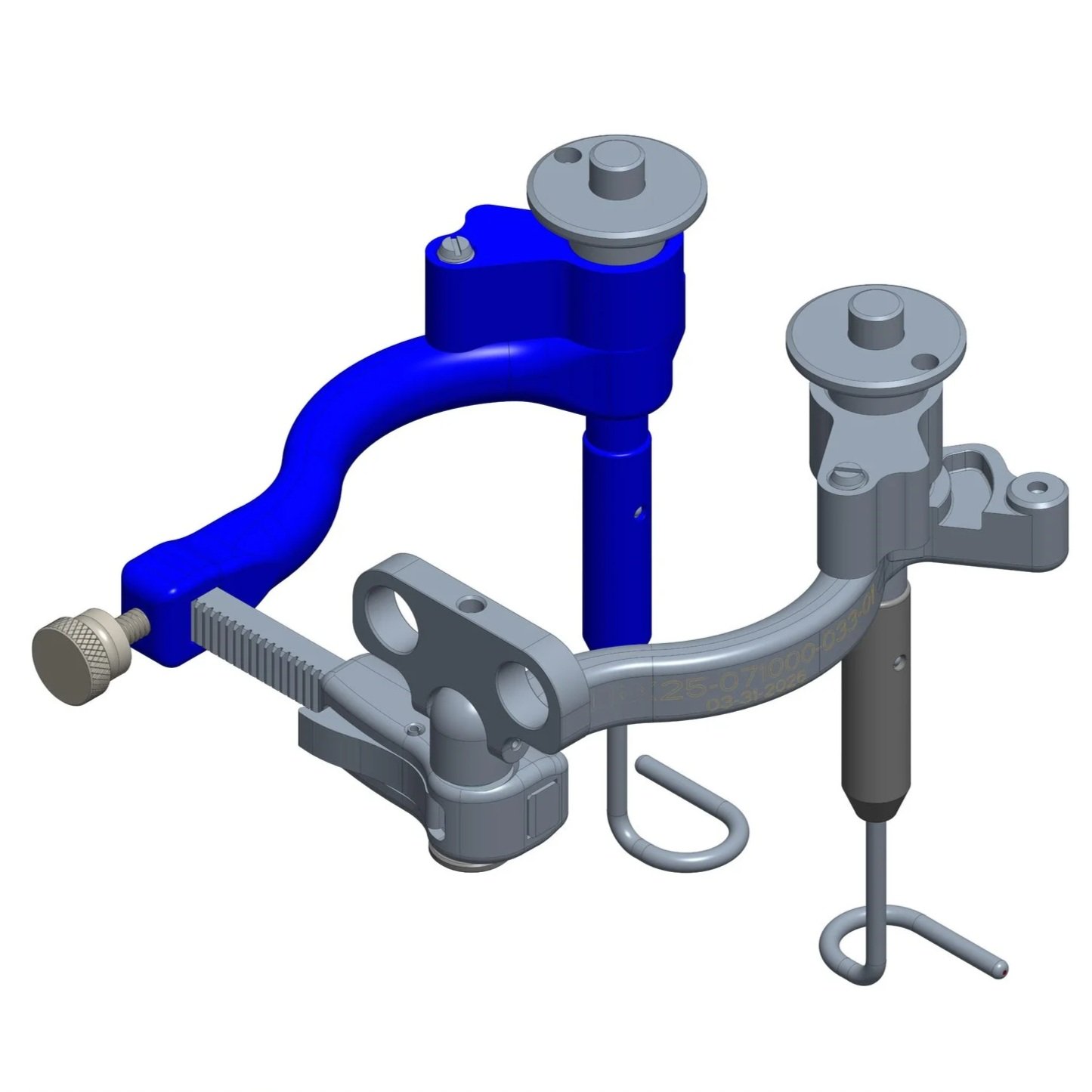
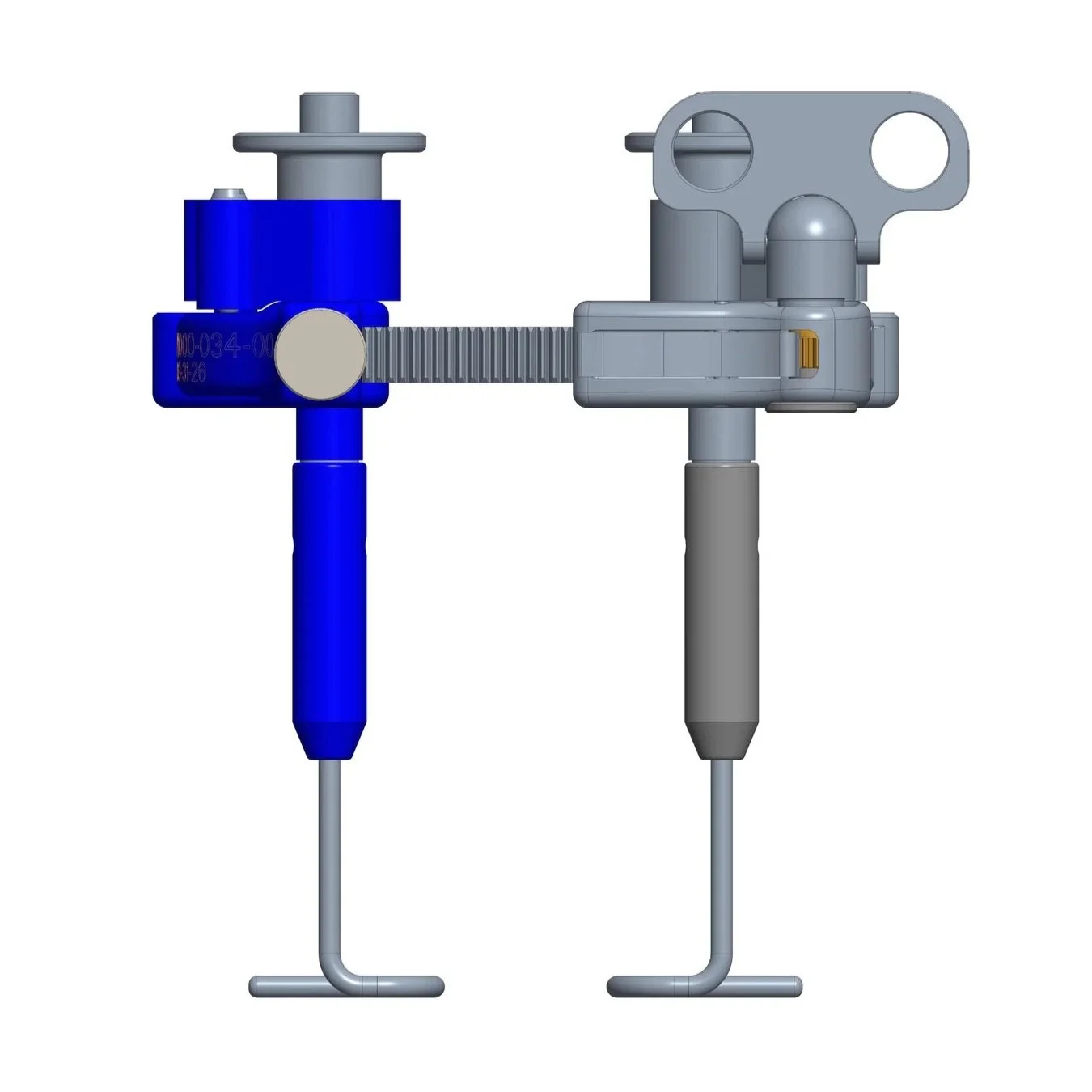
The Carmela Retractor combines oppositional U-hook fixation, a low-profile design, oval surgical window, and an impressive 90° Double Lock / Double Stop pivot system intended to secure retention, controlled distraction, and enhanced visualization during posterior spine procedures, specialized for the implantation of interlaminar devices such as Coflex and interspinous devices such as DIAM.
The oppositional hook configuration is designed to engage at the base of the spinous processes while maintaining a low-profile surgical footprint. Significantly improves the interbody implantation during TLIF procedures.
How it Works
01— Prepare & Position
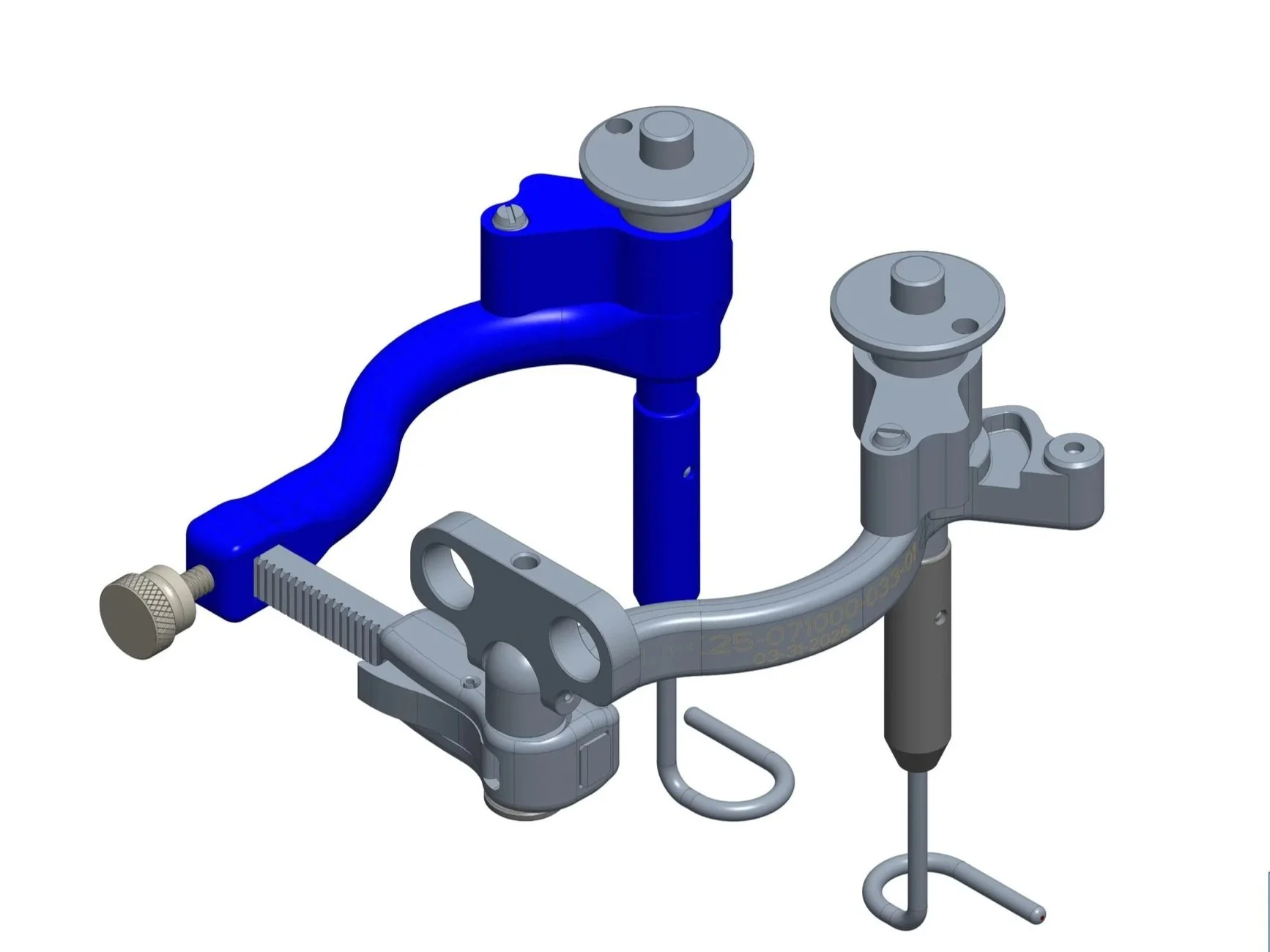
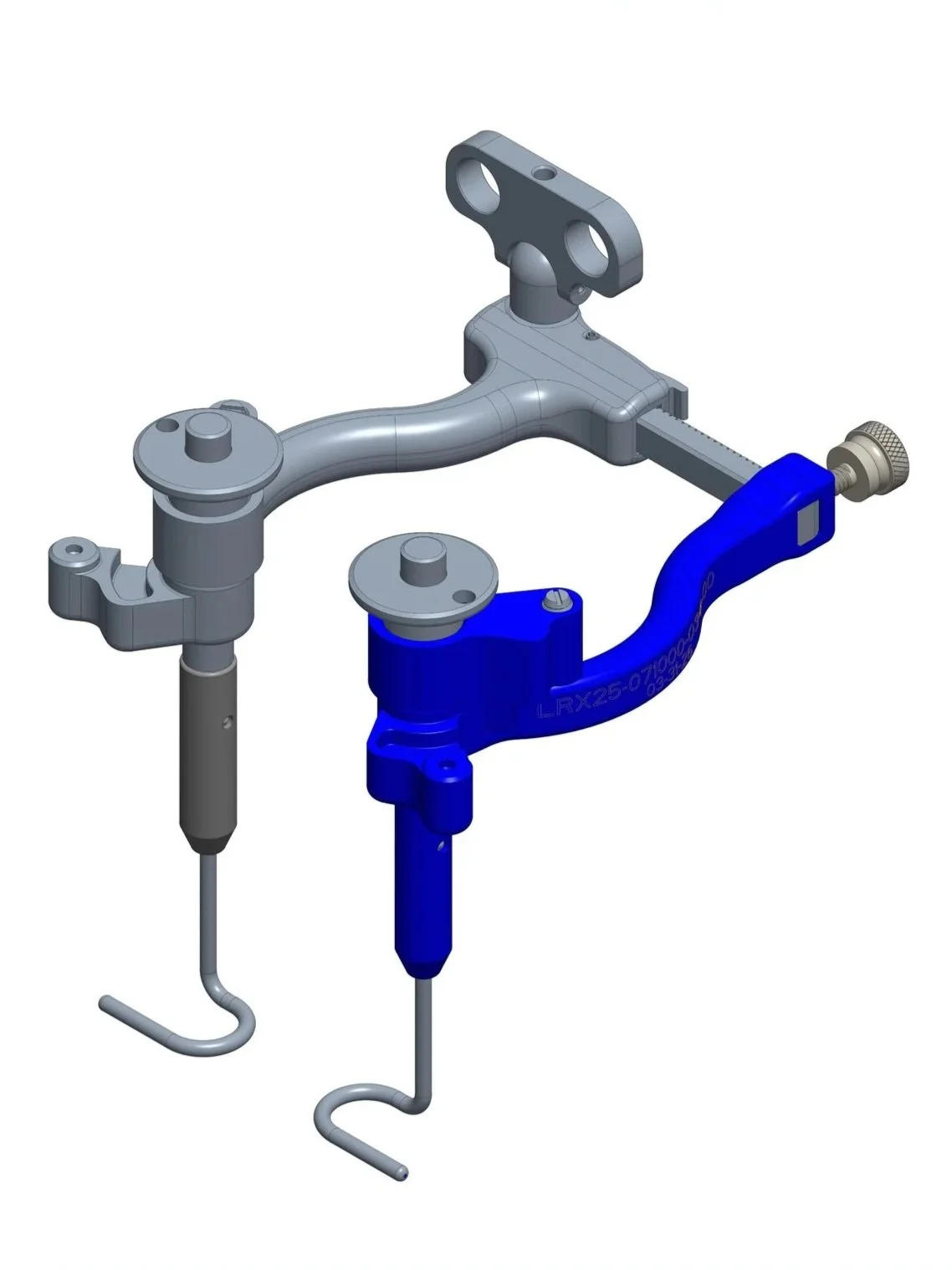
To implant an interspinous device, clamp, or interbody graft, the surgeon approaches the spine posteriorly through the skin and lumbar fascia. After separating muscular and fascial attachments and fully visualizing the posterior spine, removal of the interspinous ligament allows for placement of the Carmela Device.
02 — Engage & Distract
Oppositional U-shaped hooks anchor securely at the base of the spinous process—where vertebral bone is strongest. The Rack-and-pinion retraction mechanism provides smooth, controlled distraction.
This design delivers uniform longitudinal distraction of the interlaminar space and disc space, avoiding the complications common with pedicle-screw-based distractors that open unilaterally and risk loosening screws.
03 — Visualize & Proceed
The diverging retractor arms and oval surgical window provide direct and microscopic visualization of the interlaminar region. Following decompression, the surgeon can proceed with interspinous device placement or TLIF interbody grafting with clear surgical access. Complete without slipping, obstructing the field, or interfering with the surgical microscope.
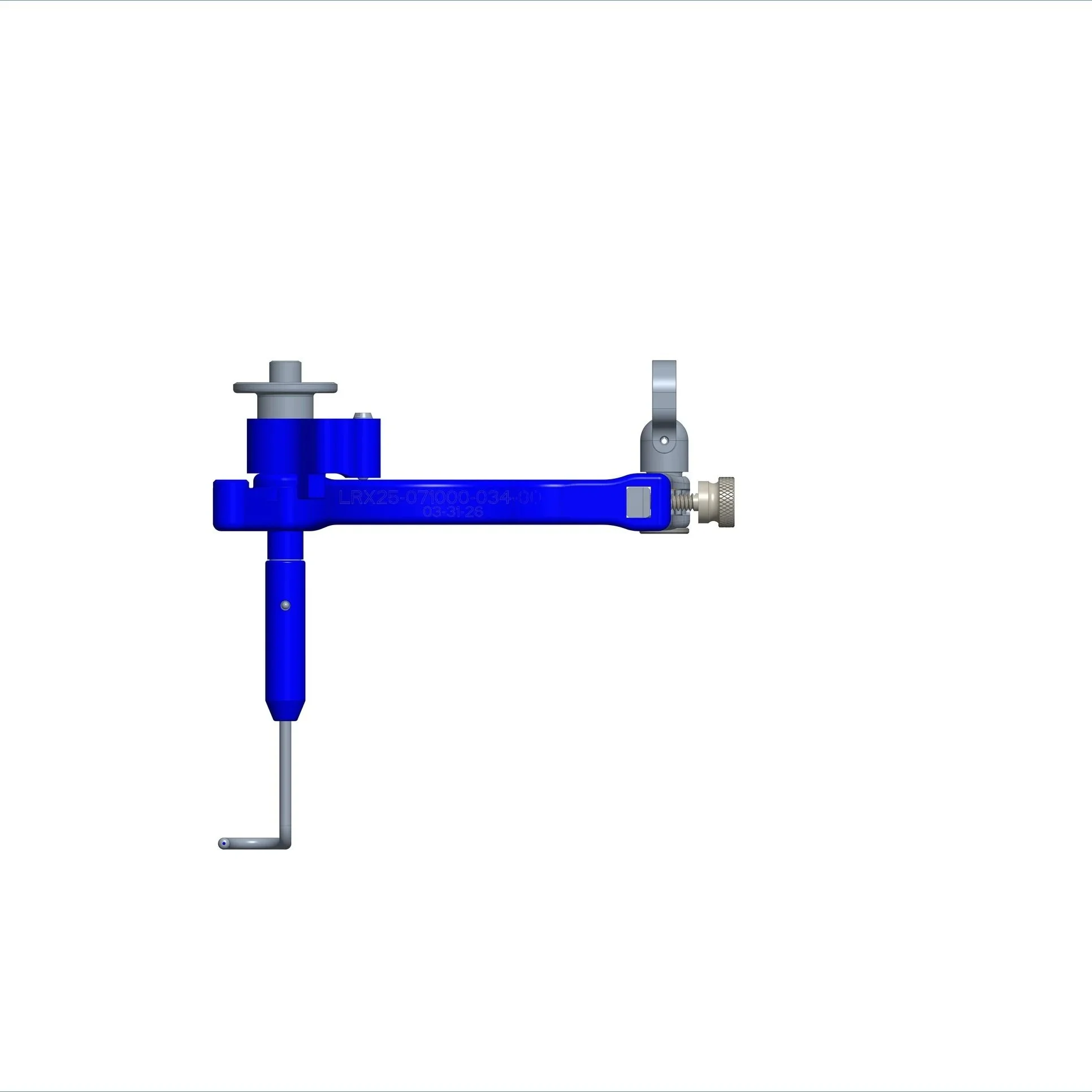
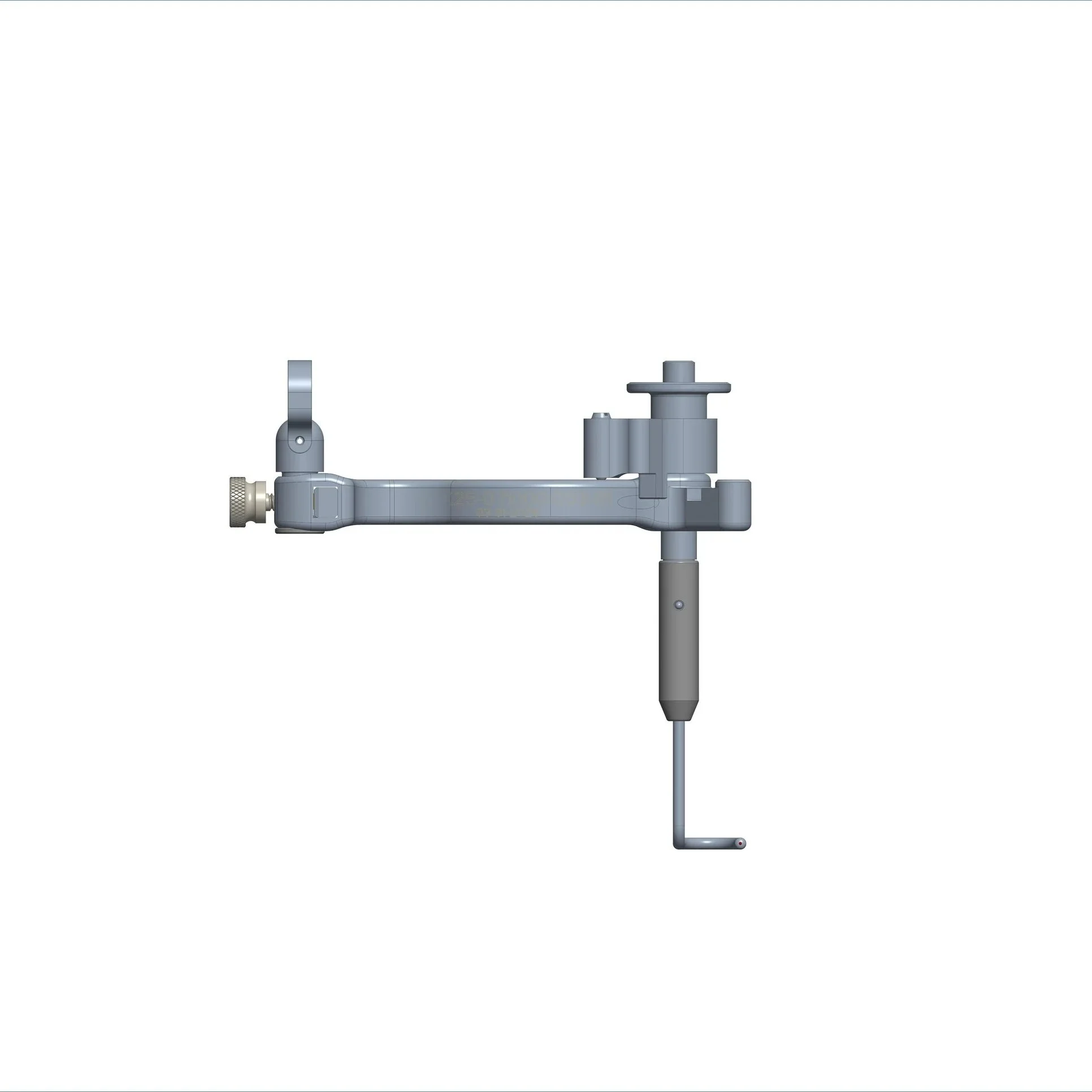
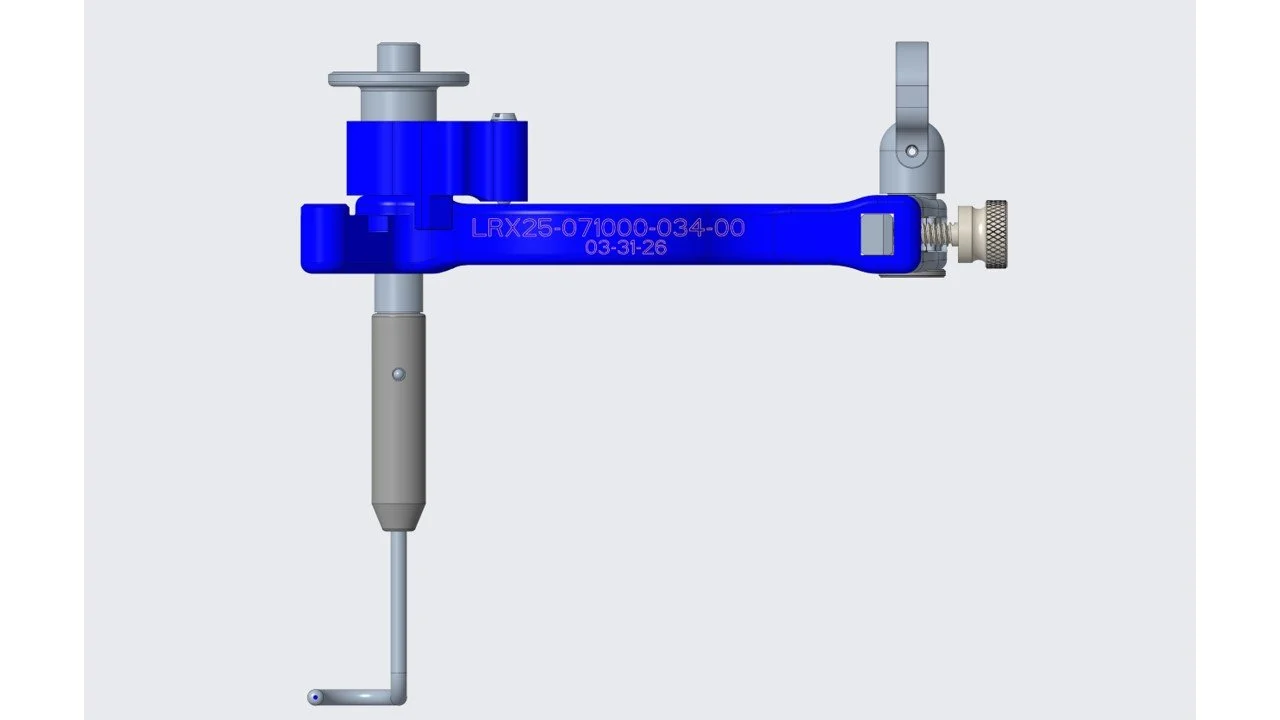
Blue Left-Side Identification
The blue finish provides clear visual identification of the left side, distinguishing it from the silver-gray right side for quick and intuitive orientation.
Available in Four arm lengths (S, M, L, XL) to accommodate all patient sizes and surgical depths
THE SURGEON BEHIND THE INNOVATION

James B. Carr, M.D.
After more than 25 years in spine surgery, James B. Carr, M.D. developed the Carmela Retractor to address a challenge he repeatedly encountered in the operating room: achieving controlled distraction while maintaining clear access and visualization. Designed from a surgeon’s perspective, the Carmela Retractor combines low-profile access, controlled distraction, and an open operative window in one purpose-built system.
The name Carmela holds special meaning for Dr. Carr. He named the retractor after Carmela, his first grandchild, connecting a new generation of his family with a new innovation in his profession. The Carmela Retractor represents the culmination of decades of surgical experience and two important parts of his legacy—his family and his life’s work in spine surgery.
CARMELA RETRACTOR
Born from experience. Inspired by family. Designed for the future of spine surgery.
Clinical Insights
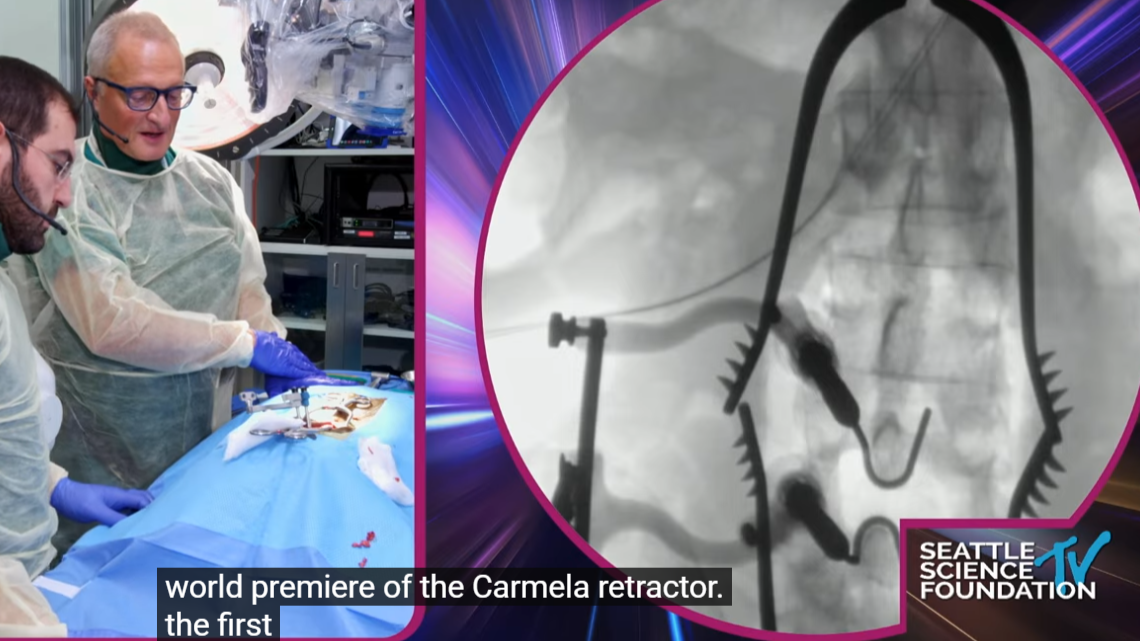
The Carmela Retractor World Premier at the Seattle Science Foundation
The Carmela Retractor was presented at the Seattle Science Foundation, providing an opportunity to demonstrate the device and its approach to surgical access, visualization, and controlled distraction
WATCH THE PRESENTATION BELOW
Interlaminar Motion Preservation and World Premier of the Carmela Retractor at the Seattle Science Foundation
“This is beautiful Dr. Carr, Congratulations! I can actually distract very nicely with with this device.
“We can see beautifully, I’m going to use this for all my decompressions!”
Jens Chapman, M.D. Orthopedic Surgeon · Seattle, Washington
Why Surgeons Choose Carmela
• Superior direct and microscopic visualization
• Streamlined decompression workflow
• Safe, efficient removal of compressive tissues, including ligamentum flavum and osteophytes
• First device of its kind, engineered specifically for this application
• Supports TLIF interbody implantation and interspinous device placement
• Reduces surgical and anesthesia time
• Improves clinical efficiency and patient outcomes
• Useful in microdiscectomy procedures
Reduce surgical time— increase efficiency
Contact Us
Accepting Orders Soon – The Carmela Spinal Retractor
Please enter your information below to be added to reserve and receive priority updates on availability, pricing, and early order opportunities.
info@carmelaspine.com
Sales: (402) 452-6008
Cell: (805) 610-7435